
The Circadian Rhythm: The Body Clock that Controls Sleep and Energy.
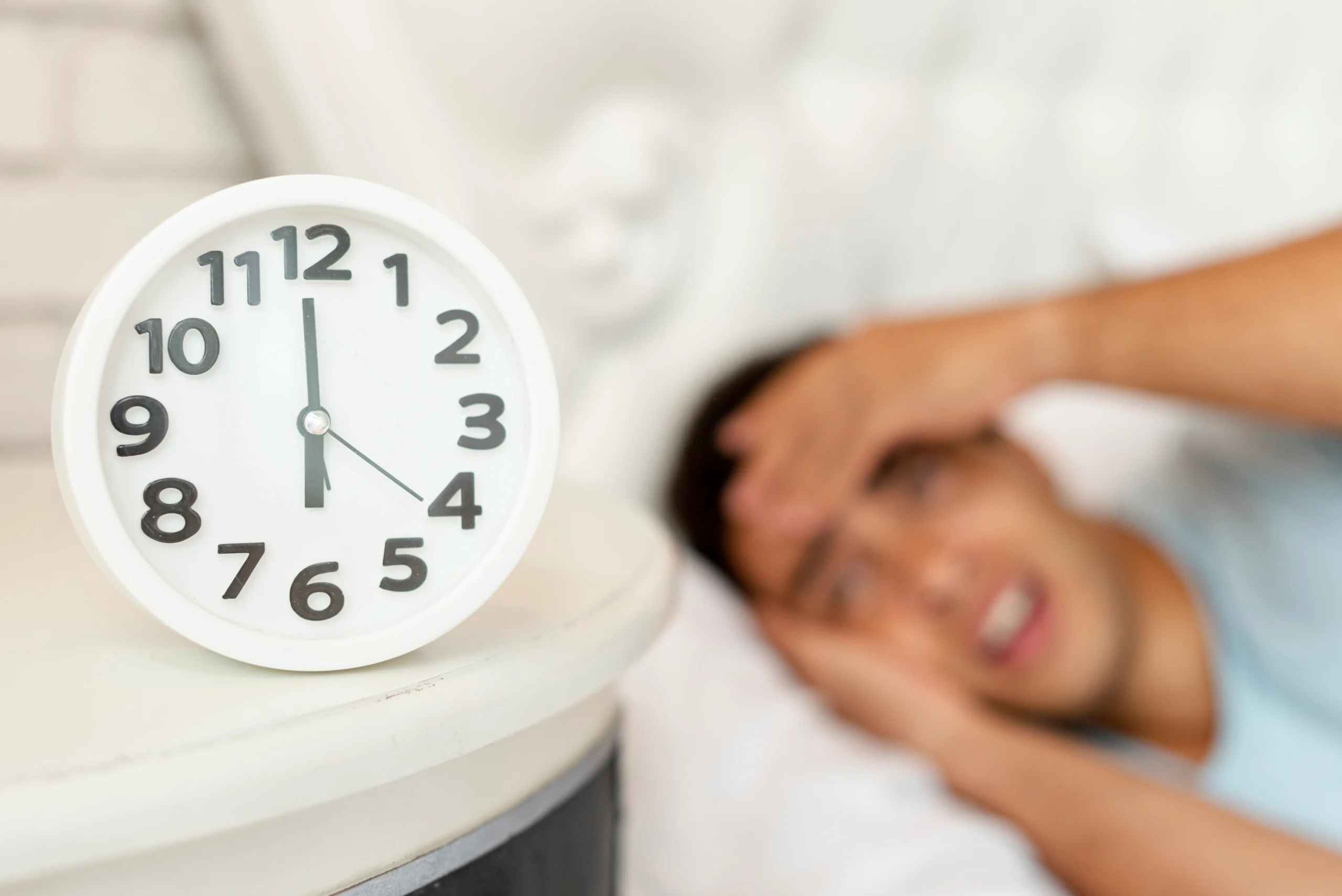
There is an inbuilt biological time system in the human body called circadian rhythm. This is an internal clock that determines when we are awake, sleepy, hungry, alert or tired. The problem of poor sleep is faced by many people not due to a severe sleeping disorder but due to the fact that their daily routine is not in line with this natural rhythm. When circadian rhythm is broken, the body is unable to pass through rest and activity, and the body experiences fatigue and lack of proper recovery.
Light exposure is the major regulator of circadian rhythm. In the mornings, the natural light informs the brain that it is time to be up and to be awake. This inhibits the melatonin sleep hormone and enhances alertness related hormones. In case this morning light exposure is missed, the body clock is weak and disoriented and it is difficult to feel energetic in the day and sleepy in the night.
One of the greatest interferons with the circadian rhythm is artificial light exposure during the evening. Screens produce blue light which resembles daylight and retards the production of melatonin. Even when one is physically tired, the brain might not be tired since it has not received the message that it is nighttime. This latency moves the sleep onward in the long run and decreases the depth of sleep.
The time of eating is also a factor in the circadian regulation. When you eat late at night it is an indication that the body is still in active mode. Energy is required during digestion and this keeps the nervous system active. Sleep is light and disrupted in case the heavy meals are taken near the bedtime. Eating earlier in the evening helps one have better transitions to sleep.
The time of day that physical activity is practiced also affects the circadian rhythm. The mobility in the daytime enhances the body clock and promotes the quality of sleep at the night. Nonetheless, strenuous physical activity before sleep could cause the nervous system to be over-stimulated making it impossible to sleep. The moderated activity in the morning helps in energy and rest.
The direct effects of stress on circadian rhythm are via cortisol, the stress hormone. When the levels of cortisol are high up to evening under the influence of mental stress, the body is not able to produce melatonin. It is the hormonal clash that causes the problem of falling asleep even when the body is exhausted. The circadian health requires stress management.
Unregulated sleep patterns compromise the body clock remarkably. Weekends of sleep and weekdays of rising early on, give rise to an ongoing situation of adjustments just like jet lag. The body never stabilizes. The regularity of the sleep and wake also assists to stabilize circadian rhythm and enhance the efficiency of sleep.
Circadian rhythm has an effect on digestion, mood and attention. Energy levels seem normal and foreseeable when the clock of the body is to be synchronized. Once disturbed, individuals suffer crashes, addiction, irritability and lack of concentration. Insomnia is a symptom that has many underlying causes of rhythm imbalance.
Observing circadian rhythm does not expect one to make extreme lifestyle changes. Minor modifications, such as exposure to light in the morning, a decrease of light in the evening, regular schedules, and regular routines, will help the body clock get back on track. In case circadian rhythm is synchronized, sleep will be easier and energy will be more predictable.