
Light, Temperature, and Noise As Sleep Environment Optimizers: The Effect on Rest.
The environmental aspect of sleep is very important in determining the quality of sleep, but this is not emphasized. Good routines and schedules do not guarantee a good sleep environment that can result in deep rest. The exposure to light, temperature, and noise have a direct impact on the way the brain is able to induce sleep and the amount of sleep it is able to achieve in the night.
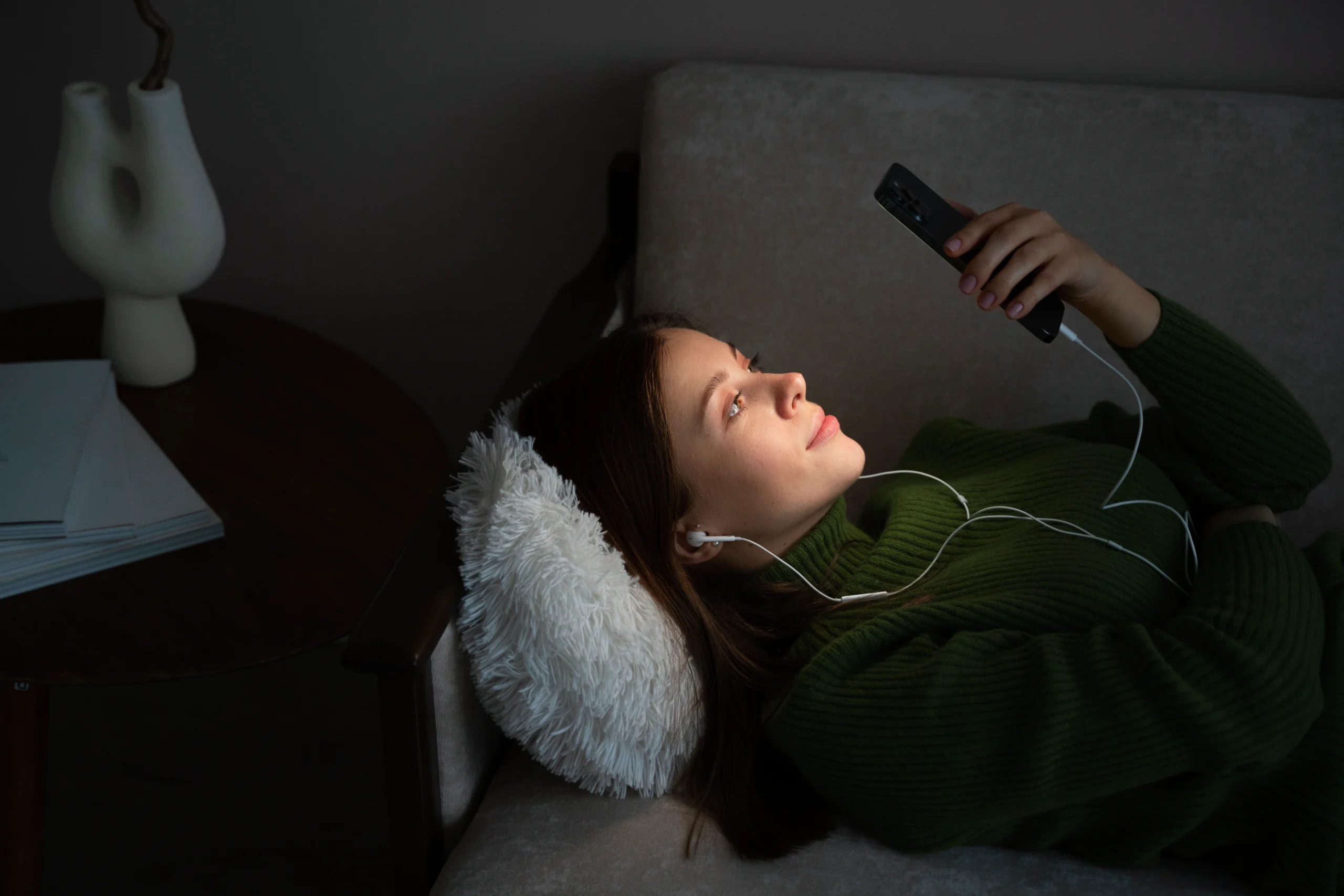
The most powerful environmental cue that affects sleep is the light. The slight presence of light in the night can inhibit melatonin and decrease the level of sleep. Light in the form of streetlights, electronic indicators and phone screens interfere with sleep patterns. When the surrounding becomes darker, the brain is able to sustain a deeper sleep.
Temperature can also play a great role in sleep. To enter into sleep, the body decreases the core temperature naturally. The process cannot occur in a room that is too warm hence causing one to sleep restlessly and wake up frequently. A slightly cold room helps to have a deeper and more stable sleep.
Even noise that does not completely wake an individual disturbs sleep. The brain is still on alert during sleep to keep an eye on the environment. The unpredictable or sudden sounds trigger the alert systems, and these disturb sleep cycles. Regular background noise of low level is not usually very disruptive compared to irregular sound.
Comfort in bed influences the physical relaxation. A bed or a cushion that fails to give support to the body causes strain and pain. Physical pain does not allow entry of the body into the deep levels of sleep. The position of sleep and the position of the spine are important to recovery.
Sleep is also affected by the quality of air. Micro-awakenings during the night may be caused by poor ventilation, stale air or allergens. Fresh air is clean, which facilitates easier breathing and more rest.
Light and psychological stimulation is provided by electronics in the bedroom. The brain is partly awake due to notifications, blinking lights and the proximity of the device. Elimination of electronics in the sleeping quarters will act as an indication that the room is reserved to sleep.
The environments when one sleeps should be linked to sleep and relaxation only. Trying to work or eat or consume very strong material in bed puts the brain in a state of confusion and does not promote sleep signals. Associative boundaries enhance sleep connection.
Sleep environment optimization does not have to cost a lot of money. Such easy modifications as darkening the room, turning down the temperature, quieting down the noise and making the room more comfortable can greatly increase the level of sleep and recovery.